
Functional Spaces Built for Heavy Operations
Warehouse & Industrial Facility Design in Las Vegas for businesses managing high-volume logistics and heavy equipment movement
Daniel Downey Architect Chartered Limited designs warehouse and industrial facilities that handle the structural demands and operational requirements of storage, logistics, and manufacturing environments. These buildings support heavy-duty equipment, accommodate high-density inventory systems, and provide clear workflow paths from receiving docks through processing areas to shipping zones. The design accounts for loading access patterns, equipment turning radius, floor load capacity, and the specific operational sequence your business follows.
Industrial facility design involves calculating structural loads for racking systems and machinery, planning clear heights for vertical storage or overhead equipment, and positioning loading docks to minimize truck maneuvering conflicts. In Las Vegas, where land costs vary significantly between industrial corridors and peripheral zones, the layout must extract maximum usable square footage while maintaining code-required clearances and safety egress paths. The building envelope addresses extreme temperature swings that affect metal roofing expansion, insulation performance for climate-controlled storage zones, and ventilation requirements for operations generating dust or emissions.
Request a site evaluation to determine how your operational workflow translates into spatial requirements and structural specifications.
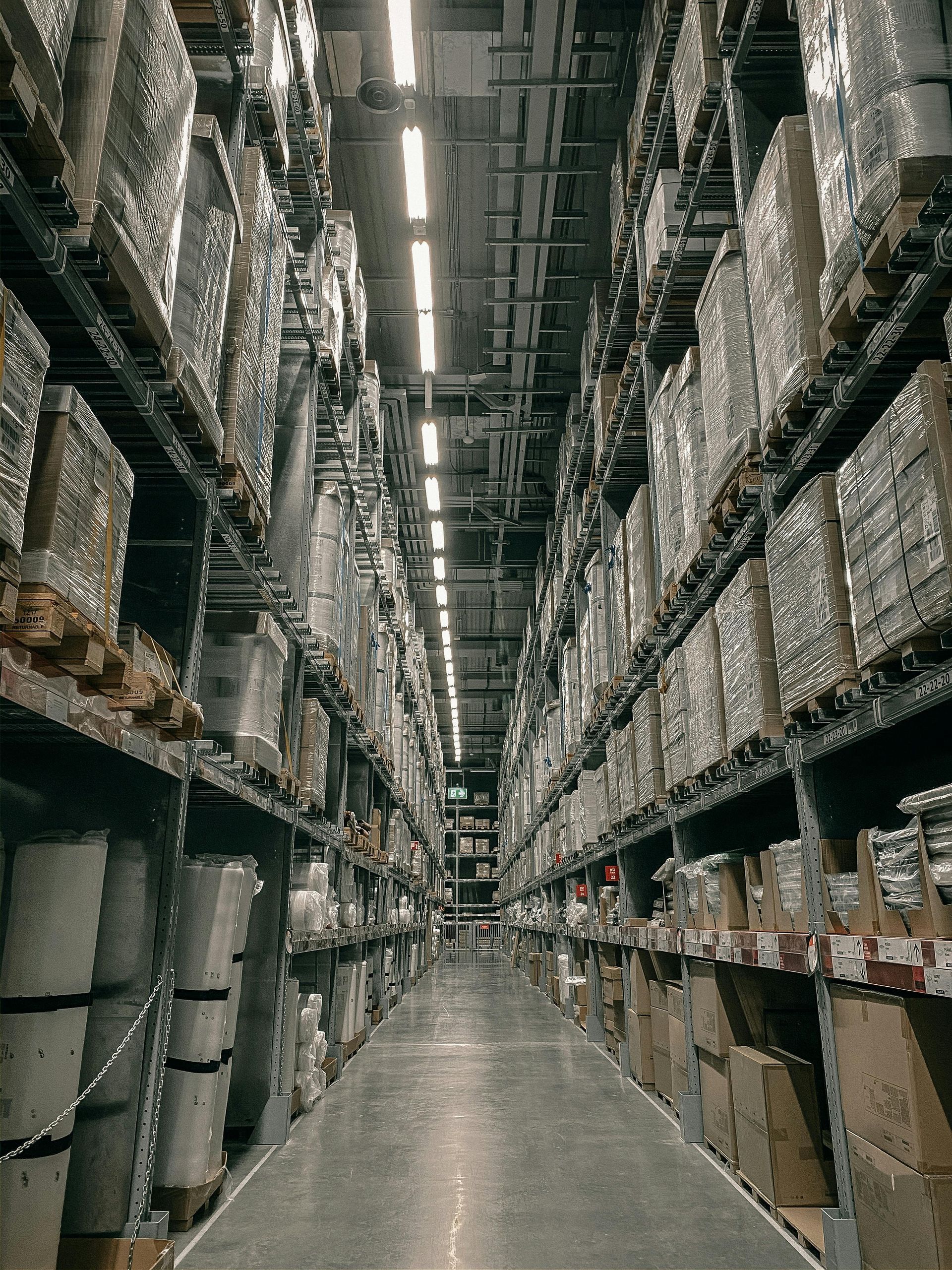
How Layout Decisions Affect Daily Operations
Warehouse efficiency depends on the relationship between receiving areas, storage zones, picking paths, and shipping stations. Column spacing determines racking configurations and forklift maneuverability, while ceiling height defines vertical storage capacity and sprinkler system design. The floor slab specification accounts for point loads from stacked pallets and dynamic loads from moving equipment, preventing surface deterioration that disrupts material handling. Door placement and dock leveler positioning reduce the time trucks spend positioning for unloading, directly affecting throughput during peak operational hours.
After construction, your facility operates with defined traffic patterns that separate pedestrian movement from equipment zones, clear sightlines that reduce collision risk, and loading sequences that prevent bottlenecks during shift changes. The structural system supports future modifications—additional mezzanines, expanded crane coverage, or reconfigured partition walls—without requiring foundational reinforcement. Utility infrastructure is positioned to accommodate equipment additions or process changes as your operations scale.
Design decisions address fire suppression requirements based on storage classifications, electrical service capacity for heavy machinery or refrigeration systems, and drainage for washdown areas or stormwater management. The building envelope accounts for thermal performance in climate-controlled sections and natural ventilation in ambient storage zones, balancing energy costs against operational needs.